


FXOpen

The Japanese yen (JPY) was one of the currencies that depreciated the most this year. Even in the late December trading, the JPY is at its yearly lows, especially against the dollar.
This is somehow surprising, considering the Fed’s tapering, but stocks outperformed during the year, justifying the weakness in the JPY pairs.
The yen is viewed as a safe-haven currency that appreciates in times of uncertainty and depreciates when the stock market is bullish. But recently, the JPY pairs’ rally has been stalling. For instance, the USD/JPY pair had difficulty finding buyers above 115, while the EUR/JPY found sellers above 133.
Is the change in leadership good for the JPY? The newly appointed Prime Minister Fumio Kishida has big spending plans to stimulate Japanese economic growth, which might be key to how the JPY will perform in 2022.
Three Reasons to Buy the JPY in 2022
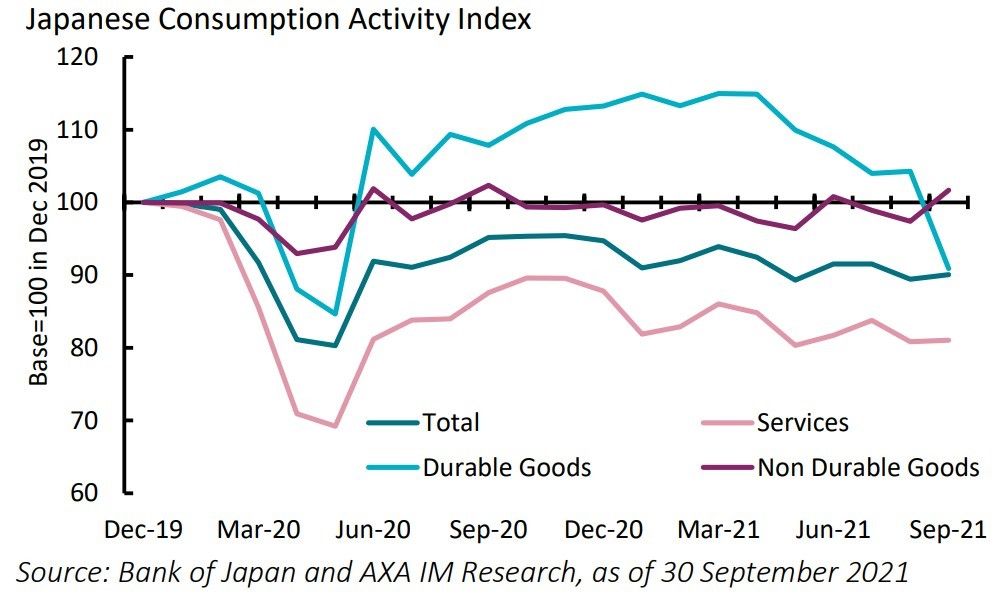
To start with, the economic recovery in Japan lagged the one in other parts of the world. A late vaccination campaign led to a delay in the economic reopening. Thus, the economy may move near to its full potential going forward.
A brighter economic outlook should bode well for inflation. Forecasts point to inflation moving higher in the period ahead but to remain far from the 2% target. In any case, inflationary problems are not exacerbated in Japan, compared to rival economies, which may further spur economic growth, thus favoring the currency.
Finally, there is a whopping accumulation of 3.7% of GDP in excess savings. Consumers choose to save for various reasons, such as the COVID-19 pandemic uncertainties, but, when injected into the economy, these funds will support further economic expansion.
For many years, the JPY has been perceived as a safe-haven currency, just like the Swiss franc. Is it time for the JPY to start reflecting the strength of the local economy? If that is the case, stronger than expected economic growth should trigger a more dominant JPY in the year ahead.
This article represents the opinion of the Companies operating under the FXOpen brand only. It is not to be construed as an offer, solicitation, or recommendation with respect to products and services provided by the Companies operating under the FXOpen brand, nor is it to be considered financial advice.
Stay ahead of the market!
Subscribe now to our mailing list and receive the latest market news and insights delivered directly to your inbox.


Latest articles

FX Markets Are Changing: What’s Driving Currencies Now?
FX markets have become increasingly reactive in March, with geopolitical developments—particularly the US–Iran conflict—driving price action across currencies, commodities, and interest rate expectations.
In this update, we examine the key forces shaping the FX market right now,

GBP/USD Rises Following Bank of England Decision
Yesterday, the Bank of England’s decision had a significant impact on the pound, which strengthened against other currencies. Although the Official Bank Rate remained unchanged at 3.75%, the market was surprised by the “hawkish” signals, which sharply contrasted

S&P 500 Analysis: Index Falls to Year-to-Date Low
As the S&P 500 chart (US SPX 500 mini on FXOpen) shows, the index dropped below the 6,570 level yesterday for the first time in 2026. As a result, the equity market may be on track to